Active learning is defined by van Hout-Wolters, Simons & Volet (2000) as a form of learning which allows the learner to adapt the opportunities provided to take control of their own learning process. Technology also allows students to learn in different and amazing ways (Kwon, 2017). While technology is a great tool for independent work, using it in a classroom environment helps students with collaboration, problem solving and critical thinking skills.
Because technology is prevalent in our society, it is crucial students can experience technology while learning as they will be using it in their own careers. Students enjoy learning through the use of technology. Therefore, introducing various KLA’s to students through technology will increase excitement as they have a better understanding of the area of study (Kwon, 2017).
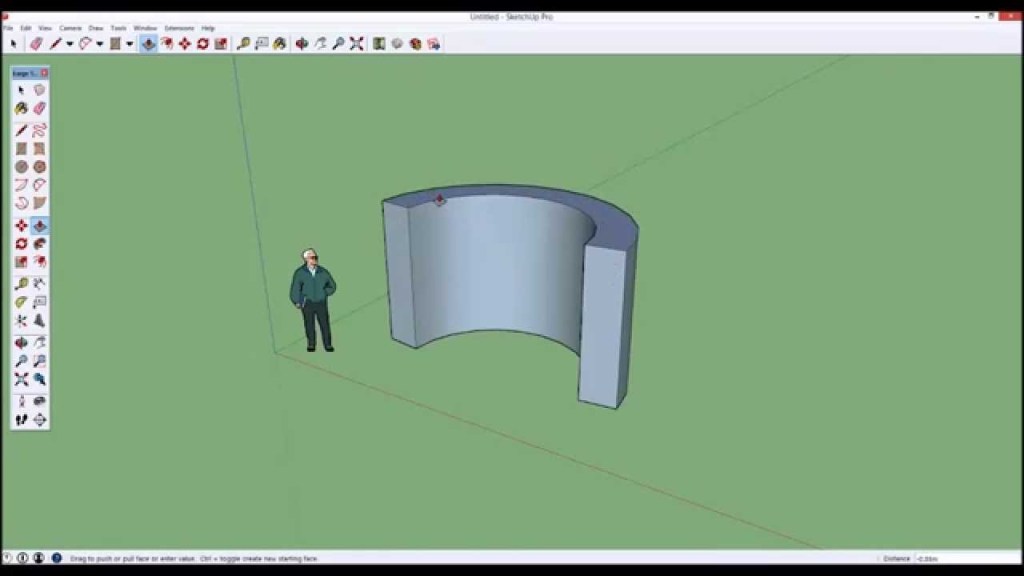
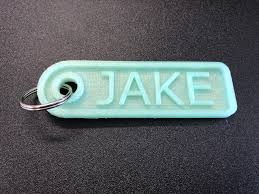
The use of 3D desktop printing, while still being relatively new, is quickly developing with an ever-growing potential. 3D printing supports visual learning through the creation of tangible representations while the process of 3D designing allows for students to visualise information, feedback and experimentation. This visual learning capacity isn’t made available when students are learning with pen and paper. This demonstrates that the use of 3D printing and design helps students better understand complex and more difficult ideas (Lacey, 2010).
In a classroom setting, 3D printing can be done on Tinkercad, Google SketchUp or a variety of different free or paid design packages (Berman, 2012). Google SketchUp provides an interface which is very simple using tools from other software packages such as Microsoft paint and photoshop allowing new users the opportunity to explore the tools in a variety of settings (Singh, 2010).
While 3D printing is a great tool for engaging students and enabling visual and more complex learning, there are a few downsides. A 3D printer can cost at the lower end, around $10,000 (Berman, 2012). Most schools do not have the funding to be able to introduce this into school and therefore incorporated into daily lessons. 3D printing and design is also a time-consuming activity. While the software of SketchUp provides a simple interface, completing an entire lesson, without distractions in a classroom environment is a difficult goal for teachers. Despite these negatives, an introduction into 3D printing for students allows for students to visually engage in learning as well as the opportunity to move into more complex ideas.
References:
Berman, B. (2012). 3-D printing: The new industrial revolution. Business horizons, 55(2), 155-162.
Kwon, H. (2017). Effects of 3D Printing and Design Software on Students’ Overall Performance, Journal of STEM Education, 18(4), 37-42.
Lacey, G. (2010). 3D printing brings designs to life. Tech Directions, 70 (2), 17-19.
Singh, S. (2011). Beginning google sketchup for 3D printing. Apress.
van Hout-Wolters, B., Simons, R. J., & Volet, S. (2000). Active learning: Self-directed learning and independent work. In New learning (pp. 21-36). Springer, Dordrecht.
 EDUC3620 Digital Creativity and Learning
Technological literacy is definitely a 21st Century skill that all students need to be prepared and equipped for when they leave the schooling system. Exposure to websites such as TinkerCad and SketchUp provide excellent opportunities for problem solving, design thinking and immediate feedback. If teachers are lucky enough to have one in their school, they could definitely incorporate many KLA and curriculum elements into a lesson that uses the 3D printer.
Thanks!
LikeLike
Hi Isaac,
I loved that you mentioned how prevalent technology is in society today and how important it is for students to be able to use and experience all forms of technology during their schooling years. I also think this is extremely important for our students. 3D printing sounds like an extremely helpful tool for helping students design-based thinking and allowing them to become more creative thinkers. It’s great how you touched on the limitations of 3D printing! Especially the cost of printers and that this makes it not very accessible to all schools. Even though 3D printers can have significant positive impacts on students learning many schools would decide against the technology due to its high price range. However, I still believe that 3D printing can be a great tool for students when used correctly in the classroom.
LikeLike