Computational Thinking (CT) involves problem-solving, system designing and understanding certain human behaviour by using the ‘concepts’ of computer science not necessarily computer science itself (Wing, 2006). A common misconception of computational thinking is that it has to involve programming. CT focuses on developing thinking and problem-solving skills while within certain subjects beyond computer science (Voogt et al. 2015). An example of this could be in Stage 1 computational thinking, where students may be required to use basic algorithms (steps) to find a solution. This may be steps to brush their teeth or steps to pack their lunch, but not necessary programming or coding while still allowing students to be introduced to a computational way of thinking.
A computing education has been a focal point in schools for several years. However, recently the Department for Education (2013) has decided that focusing more closely on this will equip students with CT skills and creativity to understand and change the world they now live in. Despite this skill set being the leading focus of CT for students, the media continues to portray the idea that CT focuses solely on coding and in turn scares teachers but also students away from developing their skills.
There are numerous ways for students to test their Computational Thinking skills in a classroom environment. Programming tools such as the Micro: bit or the Lego Mindstorms EV3 allow for tasks to be engaging, motivating and accessible by both teachers and students. The micro: bit is a pocket-sized computing device with the ability to be coded. The micro: bit was designed to be a part of a ‘Make it Digital’ initiative to inspire young people to use digital technologies to foster creativity in science, technology, and engineering. Through the use of programming, the micro: bit allows students to actively construct knowledge through hands-on physical engagement. This practical nature of CT sees benefits of higher motivation, collaboration, creativity and tangible concepts allowing real-life connections (Sentance et al. 2017).
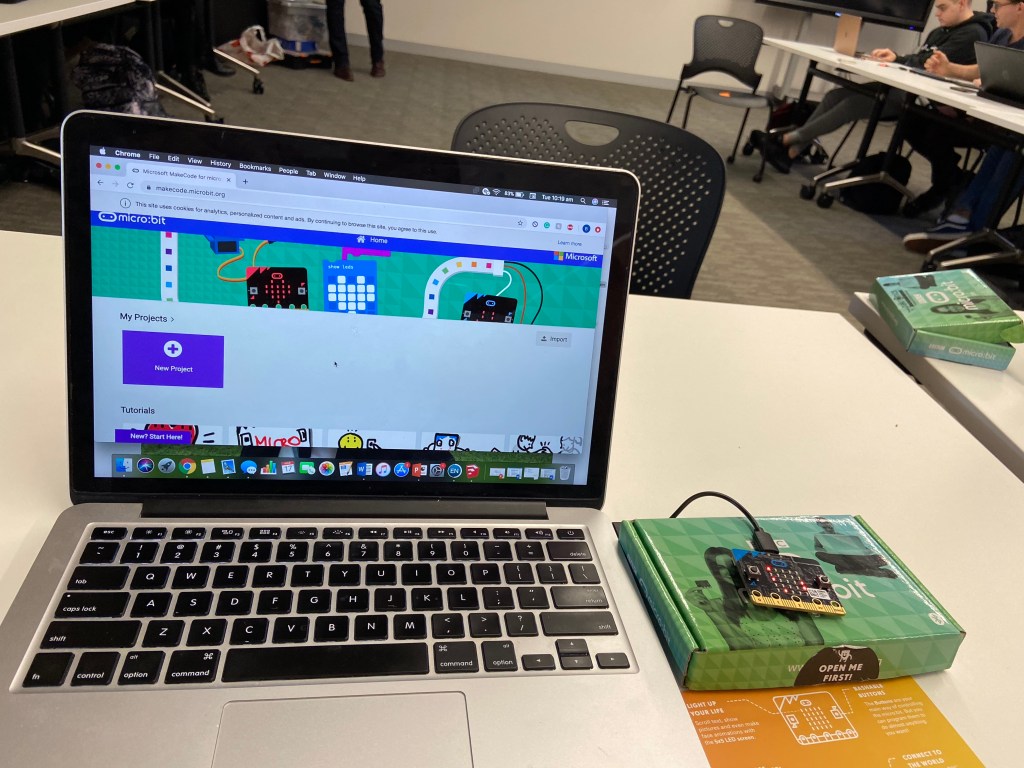
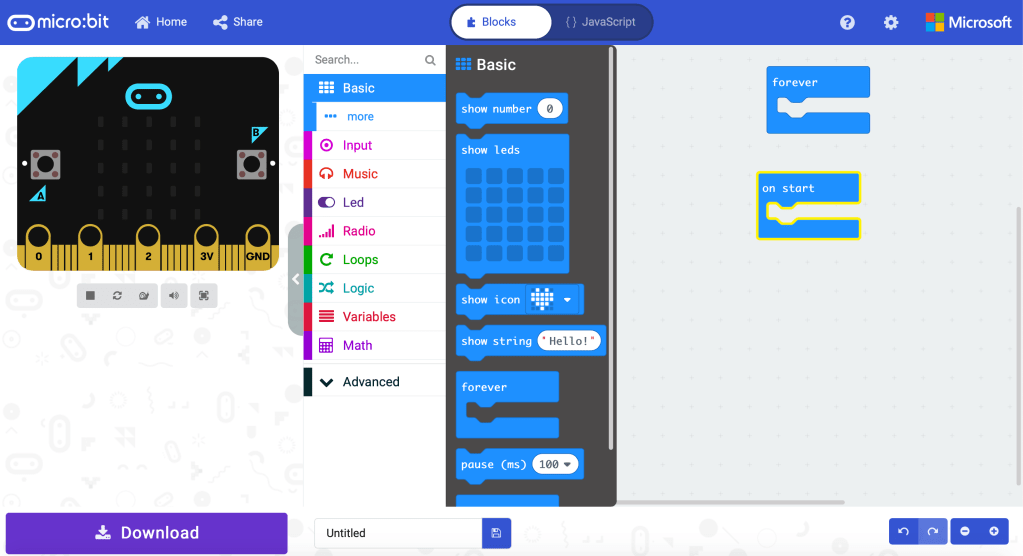
Despite these positives, the micro: bit is a delicate and complex piece of technology that without explicit instruction is difficult to stay on task and therefore complete tasks. The website, coding platform and download function are complex and multifaceted and would be incredibly difficult to use when 35 students are having complications. Compare this to a Lego Mindstorms EV3, which is simple and intuitive to use (Molins-Ruani, Gonzalez-Sacristan, Garcia-Saura, 2018). The Lego Mindstorms coding platform uses simple block coding and an uncomplicated download system enabling students to easily send their codes to their robot.
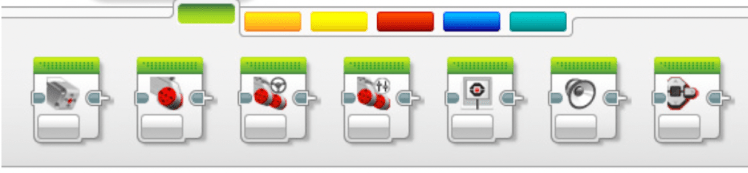
While both the micro: bit and EV3 robot are great pieces of educational technology to use in a classroom environment, they each have advantages and disadvantages. Despite this, to make any activity successful and achieve outcomes, the quality of teaching plays a major role. This means that teachers have to feel comfortable and confident enough to use these products productively in their classroom to ensure students stay motivated, engaged and develop the appropriate CT skills.
References:
Curzon, P., Dorling, M., Ng, T., Selby, C., & Woollard, J. (2014). Developing computational thinking in the classroom: a framework.
Department for Education. (2013). The National Curriculum in England, Framework Document. (pp. 118)
Molins-Ruano, Gonzalez-Sacristan, & Garcia-Saura. (2018). Phogo: A low cost, free and “maker” revisit to Logo. Computers in Human Behaviour, 80, 428.
Sentance, S., Waite, J., Hodges, S., MacLeod, E., & Yeomans, L. (2017, March). ” Creating Cool Stuff” Pupils’ Experience of the BBC micro: bit. In Proceedings of the 2017 ACM SIGCSE technical symposium on computer science education (pp. 531-536).
Voogt, J., Fisser, P., Good, J., Mishra, P., & Yadav, A. (2015). Computational thinking in compulsory education: Towards an agenda for research and practice. Education and Information Technologies, 20(4), 715-728.
Wing, J. M. (2006). Computational thinking. Communications of the ACM, 49(3), 33-35.


Hi Isaac,
Great blog post! I really liked that you started by defining computational thinking, and dispelled some of the misconceptions surrounding it. I agree that teachers and students may be disheartened by thinking that they must use coding to teach computational thinking, when it could really be as simple as determining the steps of brushing your teeth! A great example of this thinking that I’ve seen is the sandwich challenge, where a teacher creates a sandwich using the explicit instructions of students (for example if they tell the teacher to put the knife in the butter but don’t tell them to take it out, the teacher leaves the knife in) – learning this type of thinking could also be a great background for learning informative writing for cross-curriculum links.
Stephanie
LikeLike